



CHRONIC KIDNEY DISEASE-ASSOCIATED
PRURITUS (CKD‑aP)
YOUR HAEMODIALYSIS PATIENTS MAY BE SUFFERING IN SILENCE WITH CKD‑aP


CKD‑aP
On the surface, Chronic Kidney Disease-associated Pruritus (formerly referred to as uremic pruritus) is just an itch.
But for patients living with CKD-associated Pruritus, the consequences are much more.1-6
CKD‑aP may be affecting your patients’ quality of life, mental health and even life expectancy.1-6

CKD-associated Pruritus impacts 67% of haemodialysis patients, with 37% of patients reportedly being moderately to extremely bothered by CKD-associated Pruritus.6
“STILL, THERE ARE TIMES WHEN MY ITCHING FEELS OVERPOWERING, WHEN I SAY TO MYSELF IT’S REALLY TERRIBLE RIGHT NOW.”
– CKD-associated Pruritus patient on haemodialysis, Germany

The itch with life-changing consequences
CKD patients undergoing haemodialysis already have a poor quality of life, which is exacerbated by CKD-associated Pruritus.1-3 Uncover how CKD-associated Pruritus could be affecting your haemodialysis patients’ sleep quality, social relationships and mental health.
“I’M SCRATCHING ALL THE TIME, YOU CAN’T HELP IT. I CAN’T SLEEP AT NIGHT BECAUSE IT’S THERE TWENTY-FOUR HOURS A DAY.”
– CKD-associated Pruritus patient on haemodialysis, UK

The impact of CKD-associated Pruritus lies beneath the surface
CKD-associated Pruritus can have a serious impact on health outcomes as well as higher drug utilisation.1,5,6 Look beneath the surface to discover the consequences of CKD-associated Pruritus.
“SOMETIMES I COULD JUST LITERALLY SCRATCH MYSELF TO DEATH”
– CKD-associated Pruritus patient on haemodialysis, Australia

Managing CKD-associated Pruritus - a challenge worth taking on
Management of CKD-associated Pruritus, should be an essential part of treatment for all patients undergoing haemodialysis and suffering from CKD-associated Pruritus.7 Help your patients make informed choices about their treatment options for CKD-associated Pruritus.
“THE REAL CHALLENGE WAS TO FIND THE TREATMENT THAT WORKED FOR ME”
– CKD-associated Pruritus patient on haemodialysis, Australia
References & footnotes

References
- Ramakrishnan K, Bond TC, Claxton A, et al. Clinical characteristics and outcomes of end-stage renal disease patients with self-reported Pruritus symptoms. Int J Nephrol Renovasc Dis. (2013);7:1–12.
- Shirazian S, Aina O, Park Y, et al. Chronic kidney disease-associated Pruritus: impact on quality of life and current management challenges. Int J Nephrol Renovasc Dis. (2017);10:11–26.
- Tsai YC, Hung CC, Hwang SJ, et al. Quality of life predicts risks of end-stage renal disease and mortality in patients with chronic kidney disease. Nephrol Dial Transplant. (2010);25:1621–1626.
- Pisoni R, Wikström B, Elder S, et al. Pruritus in haemodialysis patients: international results from the Dialysis Outcomes and Practice Patterns Study (DOPPS). Nephrol Dial Transplant. (2006);21:3495–3505.
- Narita I, Alchi B, Omori K, et al. Etiology and prognostic significance of severe uremic Pruritus in chronic hemodialysis patients. Kidney Int. (2006);69(9):1626–1632.
- Sukul N, Karaboyas A, Csomor P, et al. Self-reported Pruritus and clinical, dialysis-related, and patient-reported outcomes in hemodialysis patients. Kidney Medicine. (2020);3(1):42–53.e1.
- Millington G, Collins A, Lovell C, et al. British Association of Dermatologists’ guidelines for the investigation and management of generalized Pruritus in adults without an underlying dermatosis, 2018. Br J Dermatol. (2018);178(1):34–60.
GCC-DFK-2500010 | Date of preparation: October 2025
About
The pathophysiology of CKD‑associated Pruritus may be multifactorial and could be affecting more of your patients than you realise.1,2
Pruritus in CKD patients has formerly been referred to as uremic pruritus, but as our understanding of the multifactorial pathogenesis of pruritus in CKD has developed, the term CKD‑associated Pruritus is now being used.1,3
In the general population, pruritus is often an uncomfortable, yet fleeting sensation. But for patients with advanced CKD or on haemodialysis, pruritus can persist, dramatically affecting quality of life.1,2,4-6
Despite over 50 years of research, CKD‑associated Pruritus remains underreported and undertreated.1,2
Are your haemodialysis patients suffering in silence?
67%
of all patients in the Dialysis Outcomes and Practice Patterns Study (DOPPS study) reported being bothered by itching*2
37%
of all patients in the DOPPS study reported being moderately to extremely bothered by itching2
69%
of Medical Directors included in the DOPPS study underestimated the prevalence of pruritus in their facilities7
Hear from the experts
What is CKD‑aP?

Dr. Fishbane uses the latest research and DOPPS data to explain the variable clinical presentation, common prevalence and under-reporting of CKD‑aP.
What causes CKD‑aP?
Prof. Gallieni discusses the leading theories on the pathogenesis of CKD‑aP, including toxin accumulation, peripheral neuropathy, immune system dysregulation and opioid receptor imbalance.
CKD-associated Pruritus is an itch directly related to kidney disease without the presence of another comorbid condition to explain it.
More information about the experts
Dr. Steven Fishbane, MD
Dr. Steven Fishbane is the Chief of Nephrology of Northwell Health and a Professor of Medicine at the Zucker School of Medicine at Northwell.
With over 25 years of experience and 235 peer-reviewed publications, Dr. Fishbane is renowned for his work and advancement and innovation in the treatment of CKD patients.
Prof. Maurizio Gallieni
Prof. Maurizio Gallieni is Associate Professor and Director of the School of Nephrology at the University of Milano, Italy. He graduated and trained at the University of Milano and Verona, Italy, and as a Research Fellow at Washington University in Saint Louis, MO, USA.
Prof. Gallieni’s research interests include: clinical nephrology, CKD and dialysis, CKD-mineral and bone disorders, dialysis access, onco-nephrology, glomerular diseases and simulation training in interventional nephrology. He is the Coordinating Editor of the Journal of Vascular Access and has authored 285 publications indexed in PubMed (H index: Scopus:33).
Pathophysiology of CKD-associated Pruritus
Research suggests that the pathophysiology of CKD-associated Pruritus is multifactorial and is likely caused by toxin deposition, opioid dysregulation, immune system dysfunction and peripheral neuropathy.1
Toxin deposition1
CKD-associated Pruritus is also referred to as uremic pruritus. This is because an initial theory of CKD-associated Pruritus pathophysiology implicated “uremic toxins” including vitamin A, aluminium, calcium, phosphorus and magnesium. This theory was based on several early observations:
- The association of CKD-associated Pruritus with underdialysis and with higher calcium, phosphorus, and parathyroid hormone (PTH) levels
- The improvement in CKD-associated Pruritus prevalence rates over time
- Improvements in pruritus after treatment of high calcium, PTH, and phosphorus levels, including with parathyroidectomy
It is currently thought that underdialysis and toxin deposition may cause CKD-associated Pruritus in a subset of patients. In these patients, management of CKD-associated Pruritus should focus on optimisation of haemodialysis in order to achieve Kidney Disease: Improving Global Outcomes (KDIGO) goals for Kt/V, calcium, phosphorus and PTH.
Opioid imbalance1
The opioid pathway, with receptors located in the brain, peripheral nerves, keratinocytes, melanocytes, hair follicles, and immune cells, has been increasingly recognised as an important modulator of itching. This theory of CKD-associated Pruritus pathophysiology suggests that overstimulation of central mu-opioid receptors, antagonism of peripheral kappa-opioid receptors, or an imbalance of stimulation and antagonism of mu- and kappa-opioid receptors causes itching.
Immune system dysregulation1
This theory of CKD-associated Pruritus pathophysiology suggests that microinflammation in the skin and possibly systemic inflammation stimulate itching. Higher levels of inflammatory markers are seen in haemodialysis patients, including T-helper 1 cells, C-reactive protein, interleukin-6, and interleukin-2, support this theory. Furthermore, CKD-associated Pruritus is associated with high white blood cell counts, low albumin and high ferritin levels. The allergic response may also be dysregulated in CKD-associated Pruritus. Increased levels of eosinophils, mast cells, in addition to histamine and tryptase, have been found in patients with CKD-associated Pruritus.
Peripheral neuropathy1
Neuropathic itching is thought to result when primary afferent sensory neurons or interneurons are activated out of proportion to or independent of any detectable causative substances (such as toxins). This theory is supported by observation of a high prevalence of peripheral sensorimotor neuropathy and dysautonomia in haemodialysis patients, which may explain their itching. Furthermore, haemodialysis patients with paraesthesia and restless leg syndrome more frequently have CKD-associated Pruritus.

TOXIN DEPOSITION
Uremic toxins
Vitamin A, aluminium, calcium, phosphorus, magnesium1

OPIOID IMBALANCE
Imbalanced mu-and kappa-opioid receptor activity
Overstimulation of mu-opioid receptors
Antagonism of kappa-opioid receptors1
IMMUNE SYSTEM DYSREGULATION
Pro-inflammatory state
⬆Skin microinflammation
Allergy: ⬆eosinophils,
mast cells, histamine
⬆C-reactive protein, interleukin (IL)-6, IL-2, white blood cells, ferretin1
PERIPHERAL NEUROPATHY
Abnormal nerve conduction
⬆Abnormal skin innervation and nerve conduction1
HAVE YOU ONLY SCRATCHED THE SURFACE OF CKD-ASSOCIATED PRURITUS?
Discover the mode of disease of CKD-associated Pruritus
Watch this video for an overview of CKD‑aP, including the burden on patients, comorbidities, pathophysiologies and current treatment strategies.
References & footnotes
Footnote
*Figure calculated based on total patients reporting being somewhat-extremely bothered by itching.
References
- Verduzco H, Shirazian S. CKD-associated pruritus: new insights into diagnosis, pathogenesis, and management. Kidney Int Rep. (2020);5(9):1387–1402.
- Sukul N, Karaboyas A, Csomor P, et al. Self-reported pruritus and clinical, dialysis-related, and patient-reported outcomes in hemodialysis patients. Kidney Medicine. (2020);3(1):42–53.e1.
- Patel T, Freedman B, Yosipovitch G. An update on pruritus associated with CKD. Am J Kidney Dis. (2007);50:11–20.
- Ramakrishnan K, Bond TC, Claxton A, et al. Clinical characteristics and outcomes of end-stage renal disease patients with self-reported pruritus symptoms. Int J Nephrol Renovasc Dis. (2013);7:1–12.
- Shirazian S, Aina O, Park Y, et al. Chronic kidney disease-associated pruritus: impact on quality of life and current management challenges. Int J Nephrol Renovasc Dis. (2017);10:11–26.
- Tsai YC, Hung CC, Hwang SJ, et al. Quality of life predicts risks of end-stage renal disease and mortality in patients with chronic kidney disease. Nephrol Dial Transplant. (2010);25:1621–1626.
- Rayner H, Larkina M, Wang M, et al. International comparisons of prevalence, awareness, and treatment of pruritus in people on hemodialysis. Clin J Am Soc Nephrol. (2017);12:2000–2007.

GCC-DFK-2500010 | Date of preparation: October 2025
Consequences
Patients suffering from CKD-associated Pruritus (formerly referred to as uremic pruritus) may experience reduced sleep quality, social isolation and depression.
The Worst Itch Intensity Numerical Rating Scale (WI‑NRS) and Self-Assessed Disease Severity (SADS) assessment scales can help you understand the burden of CKD-associated Pruritus on your patients’ lives.
CKD-associated Pruritus is much more than just an itch for patients that suffer with it every day.1-5 CKD-associated Pruritus is an important concern for affected patients, as it impacts their quality of life, disturbs sleep and they are more likely to suffer with depression, compared with patients not bothered by itching.
Personal experiences
CKD-associated Pruritus can influence patients’ moods; feelings of grumpiness and hopelessness often accompany the itch, leaving patients anxious to visit friends and relatives in fear of the next flare.
Watch these videos to hear personal experiences about the underlying effects of CKD-associated Pruritus from patients’ perspectives.
Michel’s story
Michel tells his story of living with CKD‑associated Pruritus. From sleepless nights to preventing him from doing the things he enjoys, CKD‑associated Pruritus has had a huge impact on him and his family.
Raymond’s story
Raymond describes how living with CKD‑associated Pruritus has left him scarred, tired and alone. CKD‑associated Pruritus leaves Raymond with no choice but to itch and with no help in sight.
Sleep quality1,2
The DOPPS study has demonstrated the association between CKD-associated Pruritus and significantly reduced sleep quality, in over 20,000 patients with varying degrees of CKD-associated Pruritus severity. DOPPS first demonstrated the link between CKD-associated Pruritus and sleep quality in 2006 and again more recently in a 2020 publication.1,2 The 2020 publication by Sukul N, et al. adjusted their analysis to account for DOPPS phase, country, age, sex, end-stage renal disease vintage, 15 comorbidities, post-dialysis weight, albumin, haemoglobin, phosphorus, and catheter use.2

Haemodialysis patients moderately affected by itching had a 1.4–1.6-fold higher adjusted odds of being awake at night, feeling sleepy during the day, or not having enough sleep, compared to patients not bothered by itchy skin.1

Patients with severe (very much and extremely bothered by itching) CKD-associated Pruritus are 2–2.5 times more likely to report suffering from poor sleep quality and 2 times as likely to report feeling washed out or drained than patients not bothered by itching.2
Sleep can also play an important part of general well-being. Disrupted sleep is an important concern for patients with CKD-associated Pruritus and is associated to both physical and mental quality of life outcomes.1 Patients in the DOPPS study with very severe (extremely bothered by itching) CKD-associated Pruritus were 2 to 3 times more likely to have poor sleep quality, be bothered by faintness/dizziness and/or feel washed out or drained than patients not at all bothered by itchy skin.2
Social isolation
CKD-associated Pruritus can make patients avoid social interactions due to the appearance of their skin and the need to scratch which causes frustration and embarrassment, contributing to social isolation.4,5
Social isolation can be a significant risk factor for poor physical health outcomes, depression and unhealthy behaviours that can further impact health (e.g. physical inactivity, poor diet and illicit drug use), regardless of age.6

Haemodialysis patients with moderate pruritus had quality of life mental composite summary scores 3.9 points lower than HD patients with no pruritus.*1

Haemodialysis patients with extremely bothered by itching had quality of life mental composite summary scores 8.6 points lower than HD patients with not bothered by pruritus.1
Could CKD-associated Pruritus be disrupting your patients’ support network and affecting their health?
Depression
The DOPPS study has reported an association between CKD-associated Pruritus and depression in both 2006 and 2020, in patients undergoing haemodialysis.1,2 In the DOPPS 2006 publication, patients with moderate to severe (moderately-extremely bothered by itching) CKD-associated Pruritus were significantly more likely to be diagnosed with depression (vs. patients with mild/no CKD-associated Pruritus; p≤0.004).1 In the DOPPS 2020 publication, depression was self-assessed by patients using the Centre for Epidemiologic Studies-Depression (CES-D) score derived from the 10-item ‘Boston form’.2
44% of all haemodialysis patients included in DOPPS reported depressive symptoms.2

Patients suffering from moderate pruritus were found to have 1.3 times higher odds of a depression diagnosis, compared to patients with no pruritus.1

Patients extremely bothered by itching are 2 times more likely to report feeling depressed (CES-D ≥10) than patients not bothered by itching.2
Talk to your CKD patients
Ask if they’ve experienced sleep disruption, social isolation or depression due to pruritus at their next appointment or dialysis session.
Assessing itch severity
Assessing itch intensity and itch-related quality of life is important to understand the burden of CKD-associated Pruritus and the benefits of treatment for patients.7,8
Two useful assessment scales have been developed to help measure itch severity in haemodialysis patients with CKD-associated Pruritus, the WI‑NRS and SADS scale.
The Worst Itch Intensity – Numerical Rating Scale (WI‑NRS) assesses itch intensity.†7,8
In trials, a reduction of ≥3 points in WI‑NRS signified a clinically meaningful improvement in itch severity for patients with moderate-to-severe CKD-associated Pruritus.9
Please rate the worst itch you have felt in the previous 24 hours. Select one option:
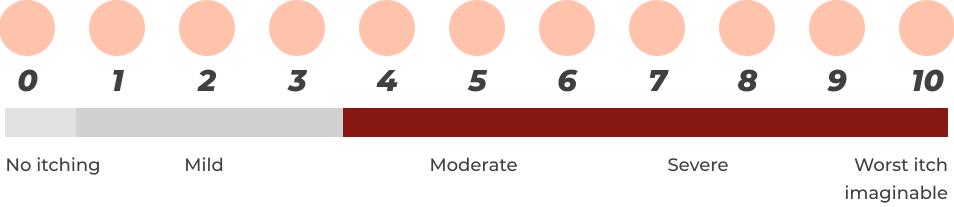
Adapted from Phan et al. 2012.8

Self-Assessed Disease Severity (SADS) assesses the impact of itch on quality of life.7
SADS allows patients to categorise themselves into one of three ‘types’ depending on the severity of their symptoms and signs. This self-categorisation tool can predict intensity and chronicity of pruritus.7
A
- I do not generally have scratch marks on my skin
- I do not generally have a problem sleeping because of itching
- My itching does not generally make me feel agitated or sad
B
- I sometimes have scratch marks on my skin
- I sometimes have problems sleeping because of itching
- My itching can sometimes make me feel agitated or sad
C
- I often have scratch marks on my skin that may or may not bleed or get infected
- I often have a problem sleeping because of itching
- My itching often makes me feel agitated or sad
Adapted from Mathur et al. 2010.7
References & footnotes
Footnotes
*Not adjusted for sleep quality.
†WI‑NRS is a validated 11-point scale ranging from 0-10 where 0 represents ‘no itching’ and 10 ‘worst itch imaginable’.7,8
References
- Pisoni R, Wikström B, Elder S, et al. Pruritus in haemodialysis patients: international results from the Dialysis Outcomes and Practice Patterns Study (DOPPS). Nephrol Dial Transplant. (2006);21:3495–3505.
- Sukul N, Karaboyas A, Csomor P, et al. Self-reported pruritus and clinical, dialysis-related, and patient-reported outcomes in hemodialysis patients. Kidney Medicine. (2020);3(1):42–53.e1.
- Rayner H, Larkina M, Wang M, et al. International comparisons of prevalence, awareness, and treatment of pruritus in people on hemodialysis. Clin J Am Soc Nephrol. (2017);12:2000–2007.
- Silverberg J, Kantor R, Dalal P, et al. A comprehensive conceptual model of the experience of chronic itch in adults. AM J Clin Dermatol. (2018);19(5):759–769.
- Ibrahim M, Elshahid A, El Baz T, et al. Impact of uraemic pruritus on quality of life among end stage renal disease patients on dialysis. J Clin Diagn Res. (2016);10(3):WC01–WC05.
- Hämmig O. Health risks associated with social isolation in general and in young, middle and old age. PLoS One. (2019);14(7):e0219663.
- Mathur VS, Lindberg J, Germain M, et al. A longitudinal study of uremic pruritus in hemodialysis patients. Clin J Am Soc Nephrol. (2010);5(8):1410-1419.
- Phan NQ, Blome C, Fritz F, et al. Assessment of pruritus intensity: prospective study on validity and reliability of the visual analogue scale, numerical rating scale and verbal rating scale in 471 patients with chronic pruritus. Acta Derm Venereol. (2012);92(5):502-507.
- Vernon M, Ständer S, Munera C, et al. Clinically meaningful change in itch intensity scores: An evaluation in patients with chronic kidney disease-associated pruritus. J Am Acad Dermatol. (2021);84(4):1132-1134.

GCC-DFK-2500010 | Date of preparation: October 2025
The impact
CKD-associated Pruritus (formerly referred to as uremic pruritus) can have serious consequences, and has been associated with missed dialysis sessions, an increased mortality rate in haemodialysis patients and greater healthcare resource utilisation.1-3
Mortality
CKD-associated Pruritus is associated with an increased risk of mortality. In a study of over 1,700 chronic haemodialysis patients, severe CKD-associated Pruritus was an independent predictive factor for death even after adjusting for other clinical risk factors (p=0.0084).1
The link between CKD-associated Pruritus and mortality has also been demonstrated in the DOPPS study where patients with very severe (extremely bothered by itching) CKD-associated Pruritus were 59% more likely to die within the 18-month follow-up period than patients not bothered by itching. Following adjustment, patients were still 24% more likely to die than those not bothered by itching (adjustments: age, sex, end-stage renal disease vintage, 15 comorbidities, post-dialysis weight, albumin, haemoglobin, phosphorus, and catheter use). Furthermore, patients with very severe (extremely bothered by itching) CKD-associated Pruritus were 29% more likely to die from cardiovascular events and 44% more likely to die from infection than those not bothered by itching.3
Personal experience
CKD-associated Pruritus is often described as painful, with areas itching for extended periods – sometimes constantly.
Eckhard’s story
Eckhard feels that no one cares about how CKD‑aP has caused him constant pain and trouble sleeping. Yet he remains hopeful for a solution in the future.

Patients extremely bothered by itching had higher rates of all-cause, cardiovascular- and infection-related mortality than patients not bothered by itching.3
Comorbidities associated with CKD-associated Pruritus have also been linked to increased mortality risk in haemodialysis patients.
An analysis of 18,801 haemodialysis patients from DOPPS found those with moderate to severe (moderately-extremely bothered by itching) CKD-associated Pruritus were more likely to feel drained and experience sleep disruption (vs. mild/no CKD-associated Pruritus), which was associated with a 17% higher mortality risk (p<0.0001).4
CKD-associated Pruritus is associated with depression, which is a well-established risk factor for shortened life expectancy and mortality.5 A meta-analysis of depression of the general population has reported that depression increases the risk of mortality by over 50%, compared to non-depressed individuals.6
Hear from an expert
Patients suffering from CKD-associated Pruritus may experience far-reaching, adverse impacts on their quality of life, with a burden placed upon healthcare systems and providers.
Watch this video to hear from a leading expert about the underlying consequences of CKD-associated Pruritus.
How does CKD‑aP impact patients’ lives?
Dr. Rastogi explains how CKD‑aP is more than just an itch, with impacts on physical and psychological wellbeing through its association with depressive symptoms, poor sleep quality, increased hospitalisations, missed dialysis sessions and even increased mortality, as demonstrated in DOPPS.
More infomation about the expert
Dr. Anjay Rastogi, MD, PhD
Dr. Rastogi is a Professor and Clinical Chief of Nephrology at the David Geffen School of Medicine at UCLA, Los Angeles, California.
As a director of the Nephrology Clinical Research Program, Dr. Rastogi takes pride in providing the best comprehensive and integrated care to patients and their families.
Healthcare resource utilisation
CKD-associated Pruritus can increase hospitalisation amongst patients undergoing haemodialysis for a number of different reasons. In the DOPPS study, all-cause, cardiovascular-related and infection-related hospitalisation was ~20% more likely in patients suffering with very severe (extremely bothered by itching) CKD-associated Pruritus vs. those not bothered by itching.3
To assess the impact of CKD-associated Pruritus on resource utilisation in hospitals, Ramakrishnan K, et al. conducted a detailed retrospective analysis of 38,315 haemodialysis patients. Compared to patients not suffering from itching, patients with very severe (extremely bothered by itching) CKD-associated Pruritus were reported more likely to use more medication and suffer from increased infections:2

Bacteraemia
34% vs. 27%
p<0.00012

Septicaemia
8% vs. 6%
p<0.00012

Erythropoietin-stimulating agent
63,405.4 vs. 53,397.1 units p<0.00012

Intravenous iron
247.6 vs. 237.2 units
p<0.03142

Intravenous antibiotics
20.7% vs. 14.1%
p<0.052
Missed dialysis sessions
CKD-associated Pruritus can also contribute to an increased strain on healthcare resources. Ramakrishnan K, et al. reported that 1,991 patients with very severe (extremely bothered by itching) CKD-associated Pruritus missed on average 2.6 more dialysis sessions per year compared to patients with no itchiness.2 Furthermore, patients in DOPPS with mild to severe (somewhat-very much bothered by itching) CKD-associated Pruritus were around 20% more likely to miss 2 or more dialysis sessions over 4 months than those not bothered by itching.3
Early identification and management of CKD-associated Pruritus through shared team responsibility can ensure the best care for patients.
References & footnotes
References
- Narita I, Alchi B, Omori K, et al. Etiology and prognostic significance of severe uremic pruritus in chronic hemodialysis patients. Kidney Int. (2006);69(9):1626–1632.
- Ramakrishnan K, Bond TC, Claxton A, et al. Clinical characteristics and outcomes of end-stage renal disease patients with self-reported pruritus symptoms. Int J Nephrol Renovasc Dis. (2013);7:1–12.
- Sukul N, Karaboyas A, Csomor P, et al. Self-reported pruritus and clinical, dialysis-related, and patient-reported outcomes in hemodialysis patients. Kidney Medicine. (2020);3(1):42–53.e1.
- Pisoni R, Wikström B, Elder S, et al. Pruritus in haemodialysis patients: international results from the Dialysis Outcomes and Practice Patterns Study (DOPPS). Nephrol Dial Transplant. (2006);21:3495–3505.
- Gilman A, Sucha E, Kingsbury M, et al. Depression and mortality in a longitudinal study: 1952–2011. CMAJ. (2017);189(42):E1304–E1310.
- Cuijpers P, Vogelzangs N, Twisk J, et al. Comprehensive meta-analysis of excess mortality in depression in the general community versus patients with specific illnesses. Am J Psychiatry. (2014);171(4):453–62.

GCC-DFK-2500010 | Date of preparation: October 2025
Treatment
Management of CKD-associated Pruritus (formerly known as uremic pruritus) should be an essential part of treatment for all patients undergoing haemodialysis and suffering from this condition.1
Effective management of CKD-associated Pruritus could make a difference to patients.
Managing CKD-associated Pruritus can be a challenge, but is a challenge worth taking on. The treatment approach should be multifaceted and tailored to each patient’s dialysis goals.1,2
Optimise dialysis treatment

One of the first steps in the management of CKD-associated Pruritus is typically to ensure adequate dialysis through increasing dialysis dose (Kt/V), normalising calcium-phosphate balance and controlling parathyroid hormone (PTH) to accepted levels.1
Increase Kt/V
It is proposed that this strategy lowers the levels of pruritogens in the body. However, no target Kt/V is available to guide treatment.1,3,4
Normalise calcium-phosphate balance
Phosphorus control was ranked as the most important therapeutic option for severe pruritus overall by 60% of medical directors in DOPPS, likely as calcium and phosphate levels are often elevated in dialysis patients.2,5,6 Yet, once again, guidelines do not provide target levels for treatment.1,3,4
Control PTH to accepted levels
PTH causes renal tubular reabsorption of phosphorus and regulates blood phosphorus levels. Moreover, PTH in dialysis patients with itching is often reported as significantly higher than those in people without itching.2,6
However, despite the above rationale, these treatment options may not be sufficient given the multifactorial pathogenesis of CKD-associated Pruritus. A multivariate analysis of 6,256 patients from DOPPS found no association between CKD-associated Pruritus and Kt/V, phosphorus, calcium, calcium-phosphorus product, PTH, or hemodiafiltration.5
Patient characteristics according to the extent to which patients were bothered by itchy skin
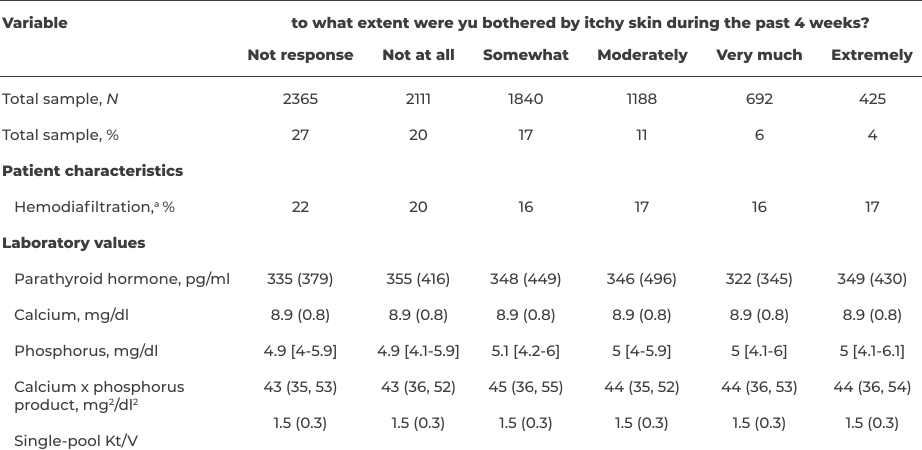
Adapted from: Rayner et al. 20175
Data are shown as mean (SD), median [interquartile range], or column percentage.
aHemodiafiltration excludes the United States and Canada due to lack of use (n=6024).
Treat xerosis (dry, scaly skin)
Xerosis occurs in up to 85% of dialysis patients, and although not thought to be the cause of CKD‑associated Pruritus, it likely contributes to its severity.2
Evidence supports treating patients with xerosis with emollients first, and to consider additional treatments, if pruritus persists.1,2
General principles from a position paper on the treatment of xerosis state that the drier the skin is (scaling/wrinkling/fissures), the more lipids are required. Whereas the more inflamed the skin is (erythema/pruritus), the higher the water content needs to be.7
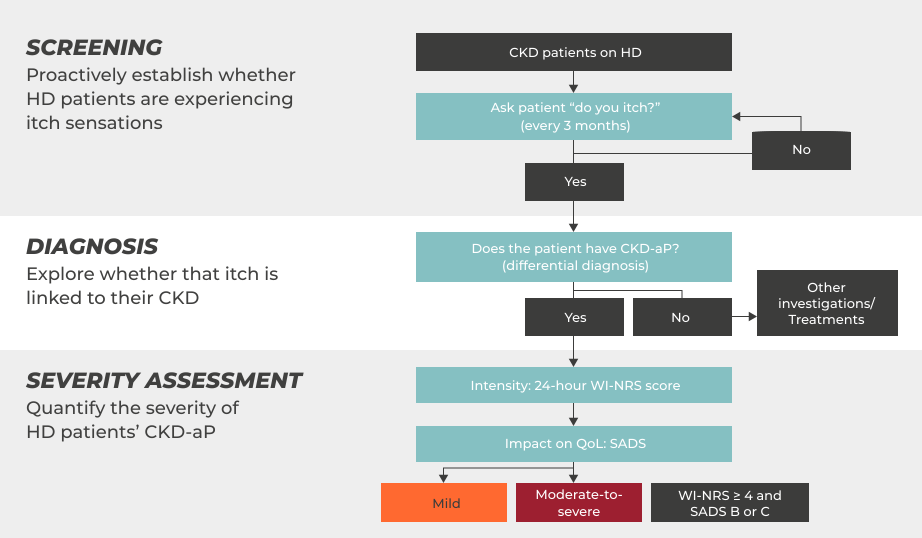
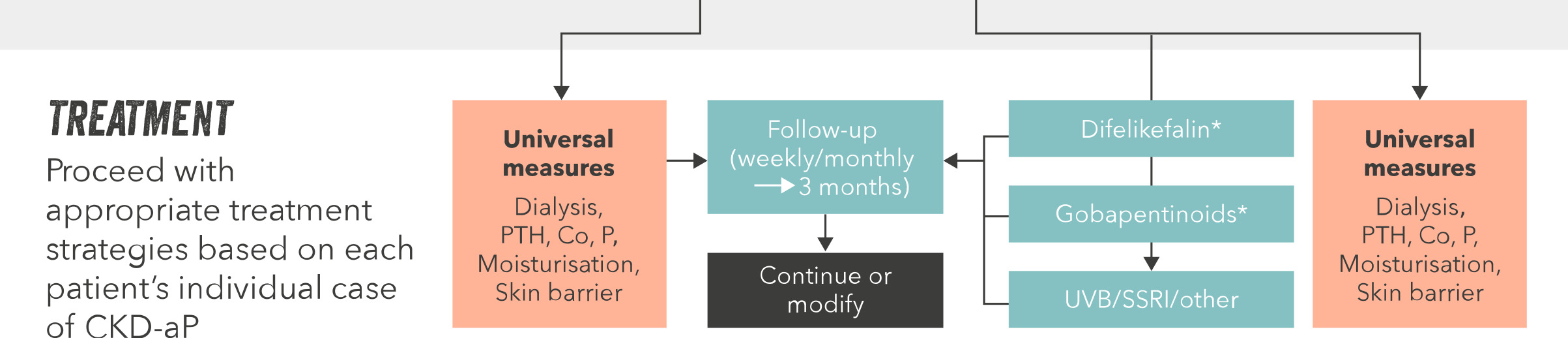
Algorithm for screening, diagnosis, assessment and treatment of CKD-associated Pruritus among patients undergoing haemodialysis4
Although mortality and life expectancy are important, in addition patients value the measures to improve the quality of their lives and in particular, the relief of symptoms associated with their treatment.4
CKD-associated Pruritus is associated with burdensome symptoms, which can diminish a patient’s quality of life. However, most symptoms and adverse effects currently lack approved treatments, and there is no existing tool that monitors symptoms over time.4
Agarwal et al. detail how understanding the pathophysiology of CKD-associated Pruritus resulted in the design, development and regulatory approval of a treatment for its relief.4
An algorithm has been proposed for the screening, diagnosis, assessment and treatment of CKD-associated Pruritus among patients undergoing haemodialysis. This algorithm considers the level of itch intensity and the impact of the itch on the patient’s quality of life.4

Guidance on identifying CKD-associated Pruritus
Watch this video for a description of how to use the WI-RNS to identify CKD‑aP by surveying patients, assess itch intensity and understand the impact on patients’ quality of life through patient profiles.
Identifying CKD‑aP
To identify and assess CKD-associated Pruritus, patients should be asked if they itch every 3 months and be encouraged to rate their itch intensity using the WI‑NRS.
References & footnotes
References
- Millington G, Collins A, Lovell C, et al. British Association of Dermatologists’ guidelines for the investigation and management of generalised pruritus in adults without an underlying dermatosis, 2018. Br J Dermatol. (2018);178(1):34–60.
- Verduzco H, Shirazian S. CKD-associated pruritus: new insights into diagnosis, pathogenesis, and management. Kidney Int Rep. (2020);5(9):1387–1402.
- Osakwe N, Hashmi MF. Uremic pruritus evaluation and treatment. StatPearls [Internet]. Last updated: February 2023. Available at: https://www.ncbi.nlm.nih.gov/books/NBK587340/x. Accessed: October 2024.
- Agarwal R, Burton J, Gallieni M, et al. Alleviating symptoms in patients undergoing long-term hemodialysis: a focus on chronic kidney disease-associated pruritus. Clin Kidney J. (2023);16(1):30–40.
- Rayner H, Larkina M, Wang M, et al. International comparisons of prevalence, awareness, and treatment of pruritus in people on hemodialysis. Clin J Am Soc Nephrol. (2017);12:2000–2007.
- Hu T, Wang B, Liao X, et al. Clinical features and risk factors of pruritus in patients with chronic renal failure. Exp Ther Med. (2019);18(2):964–971.
- Augustin M, Wilsmann-Theis D, Körber A, et al. Diagnosis and treatment of xerosis cutis - a position paper. J Dtsch Dermatol Ges. (2019);17 Suppl 7:3–33.

GCC-DFK-2500010 | Date of preparation: October 2025
Education & Support
Explore our range of practical resources, to help support your patients living with CKD-associated Pruritus (formerly known as uremic pruritus).

Alleviating symptoms in patients undergoing long-term hemodialysis: a focus on chronic kidney disease-associated pruritus.
Agarwal P, Burton J, Gallieni M, et al.
Clinical Kidney Journal.
2022

CKD-associated Pruritus: new insights into diagnosis, pathogenesis, and management.
Verduzco H & Shirazian S.
Kidney International Reports.
2020

Clinical characteristics and outcomes of end-stage renal disease patients with self-reported pruritus symptoms.
Ramakrishnan K, Bond TC, Claxton A, et al.
International Journal of Nephrology and Renovascular Disease
2013

International comparisons of prevalence, awareness, and treatment of pruritus in people on hemodialysis.
Rayner H, Larkina M, Wang M, et al.
Clinical Journal of the American Society of Nephrology
2017

Pruritus intensity patient questionnaire.
An editable PDF to help assess your patients’ pruritus intensity and impact on their quality of life.

Self-reported pruritus and clinical, dialysis-related, and patient reported outcomes in hemodialysis patients.
Sukul N, Karaboyas A, Csomor P, et al.
Kidney Medicine.
2020
GCC-DFK-2500010 | Date of preparation: October 2025