



To preserve kidney function in glomerular disease
BRING
PROTEINURIA
TO TARGET

Proteinuria in glomerular disease
PROTEINURIA IS A KEY FEATURE OF GLOMERULAR DISEASE1-4
Risk factor:
Proteinuria is a major RISK
FACTOR for glomerular disease, if left unchecked it can lead to end-stage kidney disease (ESKD), dialysis, and even death2–6
Predictor:
Proteinuria is the single strongest modifiable PREDICTOR of the rate of kidney function decline in glomerular diseases such as IgA nephropathy (IgAN)1,2,5,6
Glomerular diseases:
Glomerular diseases such as IgAN are characterized by high levels of proteinuria6

In IgAN:
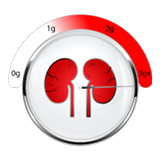
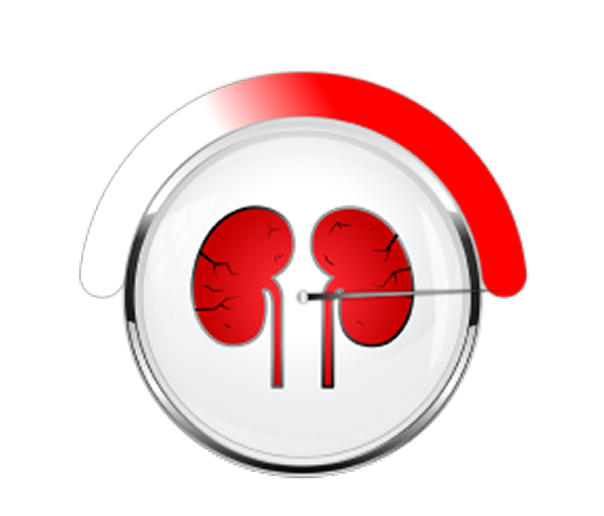
Each incremental gram per day above 1g results in a 10- to 25-fold faster rate of decline in kidney function and survival6
View IgAN data

In patients with biopsy proven IgAN (n=542), proteinuria levels over time was the strongest predictor of the rate of kidney function decline6*
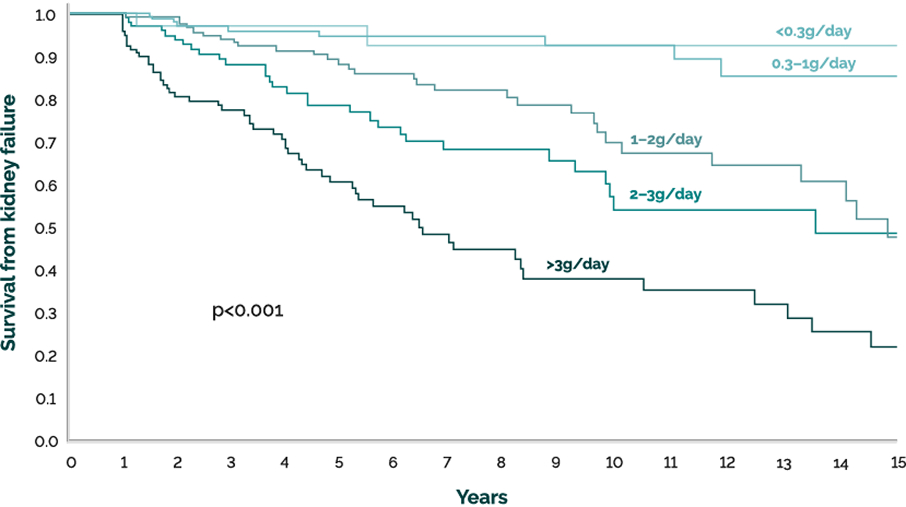
Adapted from Reich HN, et al. 20076
Each incremental gram per day above 1 results in a 10- to 25-fold faster rate of decline in kidney function and survival.6
*Data from a cohort of 542 patients with primary IgAN and were followed longitudinally in the Toronto Glomerulonephritis Registry. Time-average proteinuria was the most important predictor of renal survival (multivariate hazard 1.57; 95% confidence interval 1.39 to 1.77; P<0.01)6
Proteinuria is a key factor in the progression of IgAN
Proteinuria contributes to disease progression1,4,5,7
Proteinuria is primarily associated with a progressive loss of kidney function leading to kidney failure.5,9 The pathophysiologic link between proteinuria and progressively declining kidney function is complex, however there is evidence to suggest that tubular epithelial cells play a central role4
This effect of proteinxuria in disease progression occurs through various processes:1,4,5,7,8

Induction of tubular chemokine expression and complexment activation, leading to inflammatory interstitial cell infiltration and sustained fibrogenesis1,4,5,7,8

Activated angiotensin II (ANG II) produces vasoactive, inflammatory, and profibrotic cytokines, including the vasoconstrictor, endothelin-1 (ET-1)4,7,8

Disease progression is accelerated by a cycle of inflammation and activated tubular response, leading to tubular damage/apoptosis, podocyte damage, and ultimately interstitial fibrosis4,8
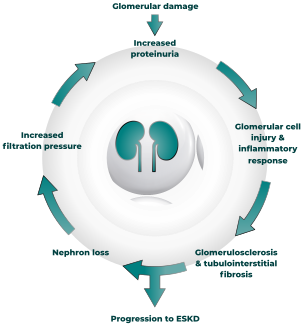
Proteinuria is a key marker of prognosis and disease severity in IgAN2,5,9,10
Proteinuria and reduced estimated glomerular filtration rate (eGFR) are joint contributors to glomerular disease progression2,5
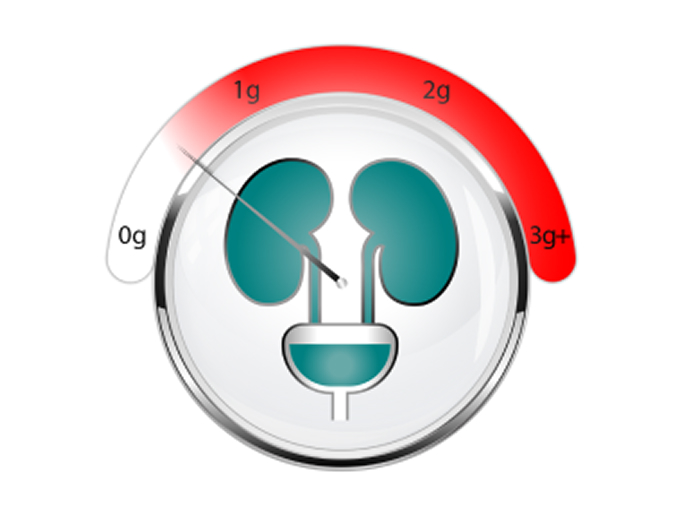
Kidney function in IgAN
High proteinuria and declining eGFR are associated with an increased risk of disease progression in IgAN2,3
Slower decline in kidney function
Higher proteinuria levels are associated with a faster decline in eGFR;3,5 conversely, patients within normal proteinuria levels show a slower decline in eGFR2
Increased proteinuria was a stronger predictor of disease progression than a reduced eGFR2
Target proteinuria to slow progression to kidney failure
Reducing proteinuria is associated with improved patient outcomes1,4-6,10-16
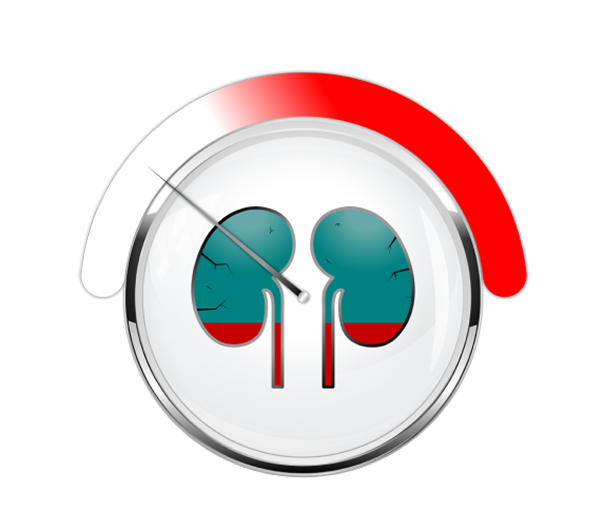
Proteinuria is a modifiable risk factor: the more it is reduced, the greater the protective effect against decline in kidney function to ESKD1,4–6,10–16
In patients with IgAN (N=81):
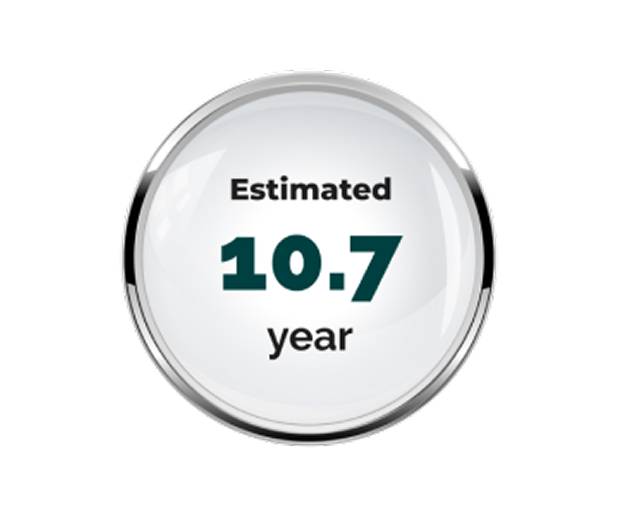
delay in the median time to kidney failure14
In IgAN, 30% reduction in proteinuria is estimated to reduce risk for ESKD by 50%, which is consequently estimated to increase the median time to ESKD. The median time to ESKD or eGFR <15mL/min/1.73 m2 was extended in this model from 12.4 years to 23.1 years14
View IgAN data
In IgAN, 30% reduction in proteinuria is estimated to reduce risk for ESKD by 50%, which is consequently estimated to increase the median time to ESKD14†
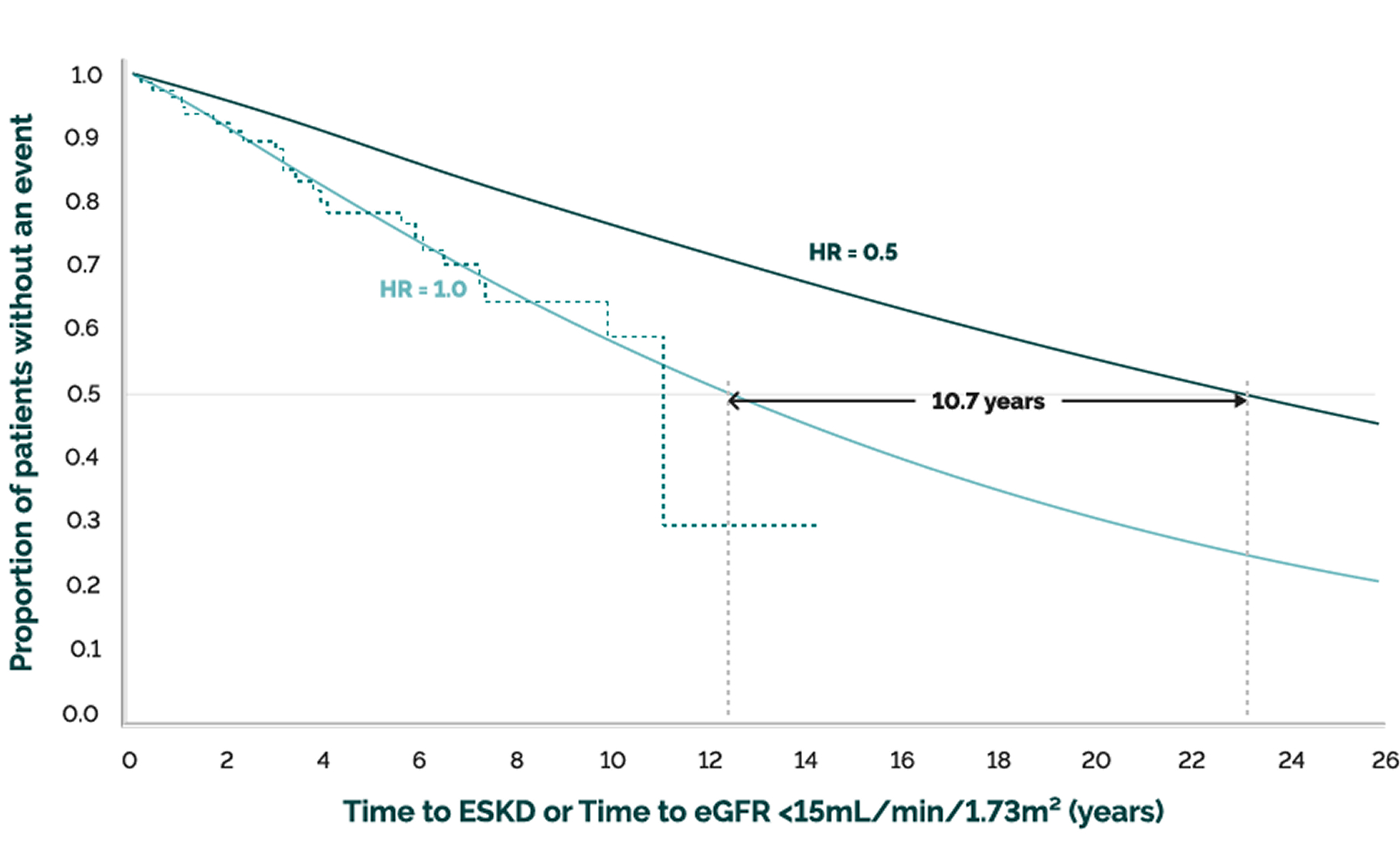
Adapted from Carroll K, et al. 202014
Patient inclusion criteria: IgAN patients with proteinuria value ≥1.0g/day or UP/C ≥1.0g/g and eGFR ≥30mL/min/1.73 m2 at the initiation of RAS blockade.14
†Dataset from Leicester University Hospitals record of IgAN patients (n=81). Time to ESKD was estimated via a Kaplan Meier plot & Weibull fit analysis. HR=1.0 represents no treatment effect on proteinuria from baseline: Median time to event 12.4 years, 90% CI (15.9, 33.5). HR=0.5 represents 30% treatment effect on proteinuria from baseline: Median time to event 23.1 years, 90% CI (13.5, 28.5)14
Reduce proteinuria in patients with IgAN to improve long-term outcomes
References & footnotes

Abbreviations
ANG II, angiotensin II; eGFR, estimated glomerular filtration rate; ESKD, end-stage kidney disease; ET-1, endothelin 1; IgA, Immunoglobulin A; IgAN, IgA nephropathy; RAS, renin-angiotensin-system.
References
- Gorriz JL, Martinez-Castelao A. Proteinuria: detection and role in native renal disease progression. Transplant Rev (Orlando). 2012;26(1):3–13.
- Turin TC, et al. Proteinuria and Rate of Change in Kidney Function in a Community-Based Population. J Am Soc Nephrol. 2013;24(10):1661–7.
- Cattran D, et al. The impact of sex in primary glomerulonephritis. Nephrol Dial Transplant. 2008;23:2247–53.
- Sharma S, Smyth B. From Proteinuria to Fibrosis: An Update on Pathophysiology and Treatment Options. Kidney Blood Press Res. 2021;46:411–20.
- Cravedi P, et al. Recent Progress in the Pathophysiology and Treatment of FSGS Recurrence. Br J Clin Pharmacol. 2013;76(4):516–23.
- Reich HN, et al. Remission of Proteinuria Improves Prognosis in IgA Nephropathy. J Am Soc Nephrol. 2007;18:3177–83.
- Eddy A. Proteinuria and interstitial injury. Nephrol Dial Transplant. 2004;19:277–81.
- Abbate M, et al. How Does Proteinuria Cause Progressive Renal Damage? J Am Soc Nephrol. 2006;17:2974–84.
- Kidney Disease: Improving Global Outcomes (KDIGO) Glomerular Diseases Work Group. KDIGO 2021 Clinical Practice Guideline for the Management of Glomerular Diseases. Kidney Int. 2021; 100:S1−S276.
- Ruggenenti P, et al. Retarding progression of chronic renal disease: The neglected issue of residual proteinuria. Kid Int. 2003;63:2254–61.
- Wyatt RJ, Julian BA. IgA Nephropathy. N Engl J Med. 2013;368:2402–14.
- Inker LA, et al. Early change in urine protein as surrogate endpoint in studies of IgA Nephropathy: An individual patient meta-analysis. Am J Kidney Dis. 2016;68:392–401.
- Le WB, et al. Long-term renal survival and related risk factors in patients with IgA nephropathy: results from a cohort of 1155 cases in a Chinese adult population. Nephrol Dial Transplant. 2012;27:1479–85.
- Carroll KJ, et al. Estimating Delay in Time to ESKD for Treatment Effects on Proteinuria in IgA Nephropathy and FSGS. ERA-EDTA Congress 2021; oral presentation (MO246).
- Thompson A, et al. Proteinuria Reduction as a Surrogate End Point in Trials of IgA Nephropathy. Clin J Am Soc Nephrol. 2019;14:469–81.
- Ruggenenti P, et al. Urinary protein excretion rate is the best independent predictor of ESRF in non-diabetic proteinuric chronic nephropathies. Kidney Int. 1998;53:1209–16.
HQ-SPT-2500010 | Date of preparation: February 2025
This website is educational, non-promotional and intended for healthcare professionals in Europe, Australia and New Zealand. It is not intended for healthcare professionals within the United Kingdom or United States. For more information contact medinfo@viforpharma.com.
IgAN explained

MECHANISM OF DISEASE
IgA nephropathy (IgAN) is characterized by glomerular deposition of immune complexes containing galactose-deficient IgA1 that lead to kidney damage1–5
There are 4 processes or ‘Hits’ involved in the pathogenesis of IgAN:6,7
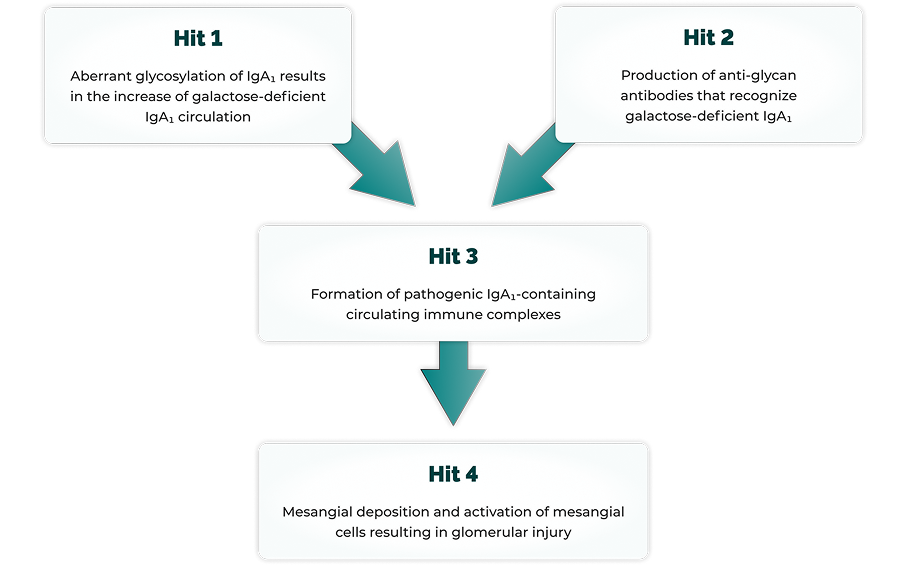
Image adapted from Suzuki H, et al. 20116
This formation of pathogenic IgA1-containing immune complexes triggers:1–3
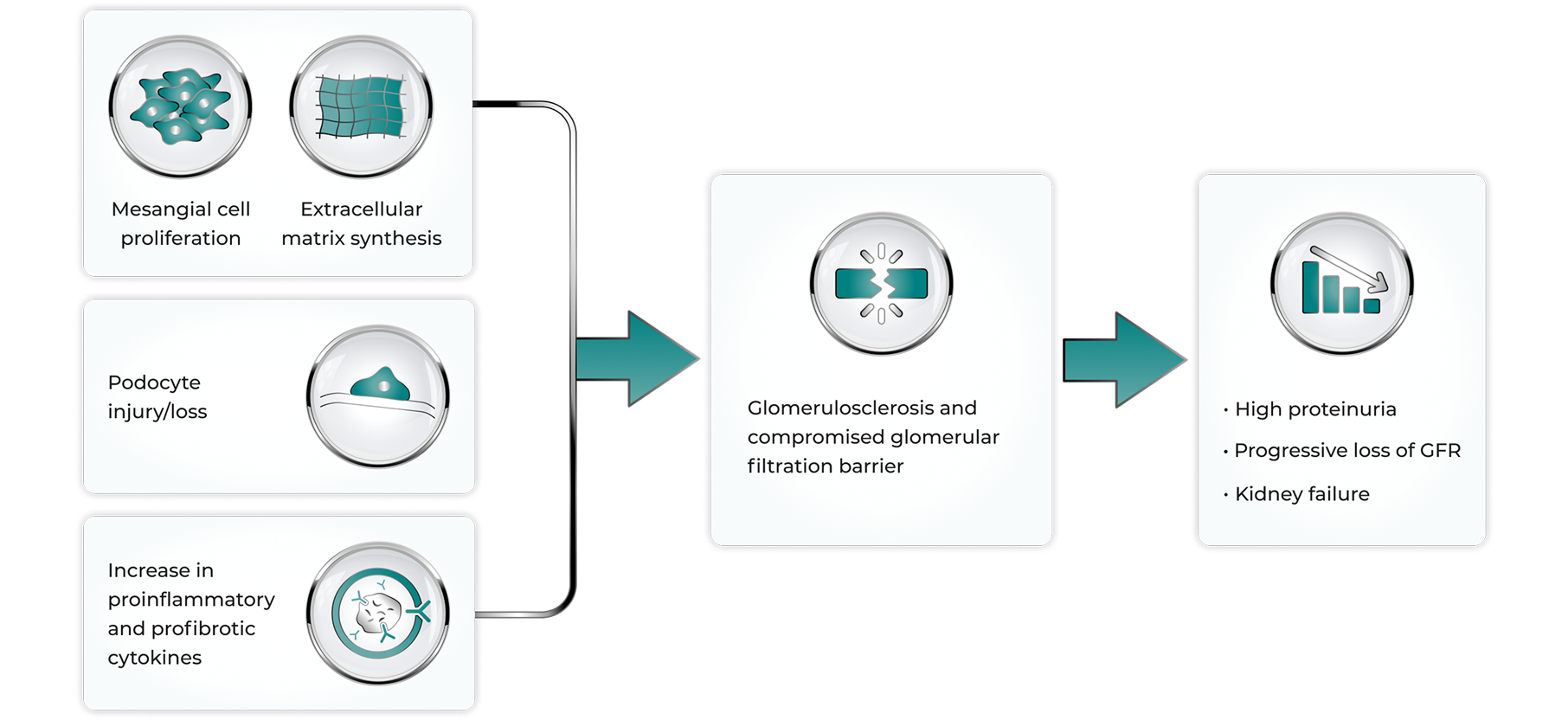
Different stages of pathology in IgA nephropathy7
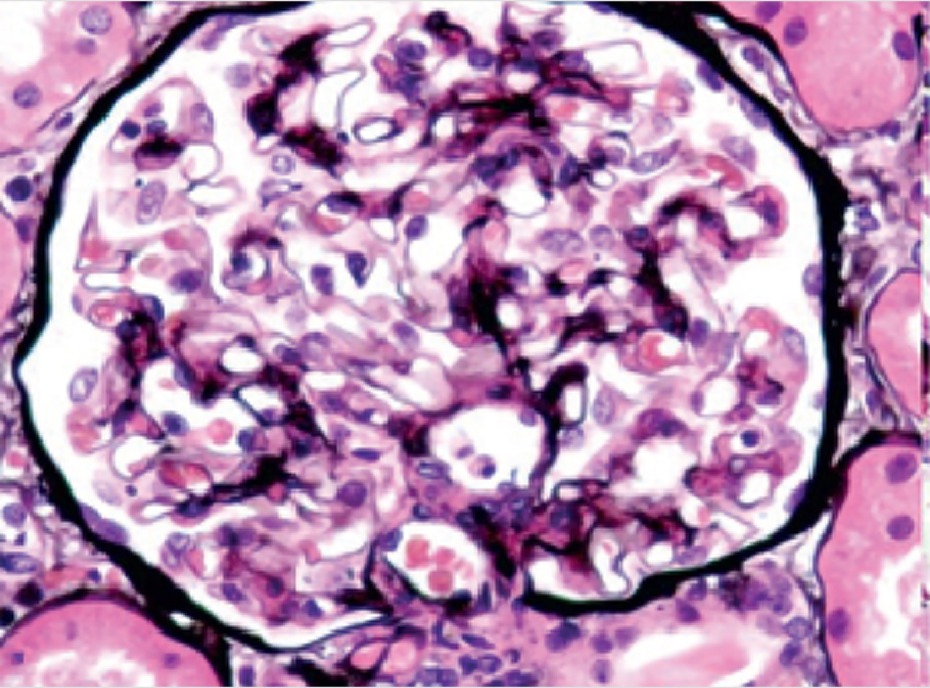
- IgAN at an early stage, with minimal mesangial expansion and preserved glomerular capillary tufts (that is, a network of capillaries) architecture. Periodic acid-silver methanamine, haematoxylin and eosin counterstain, 360× magnification
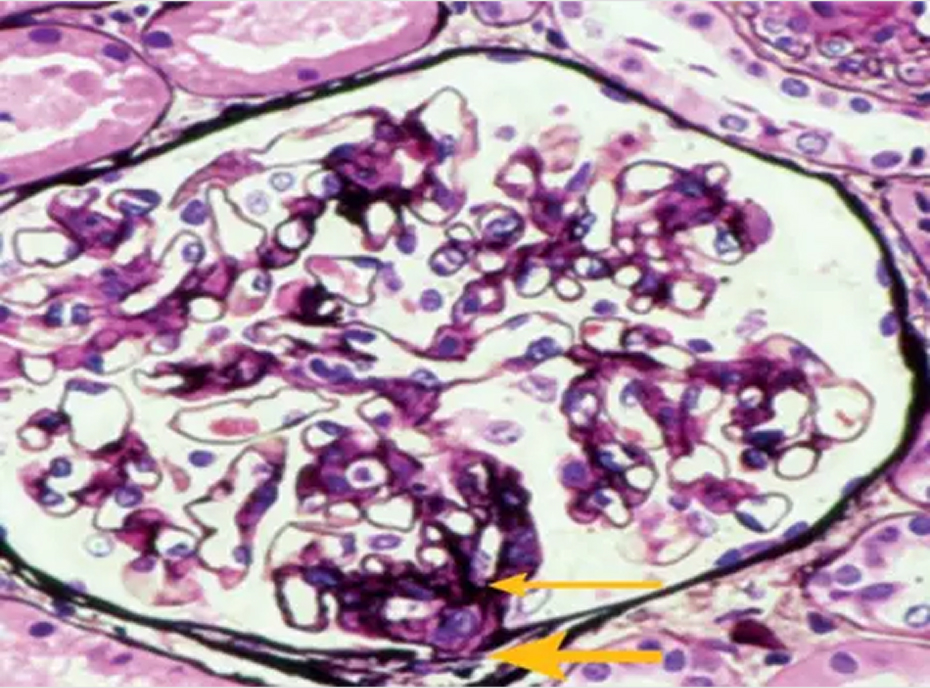
- Small segmental sclerosis (25%) with capillary collapse (thin arrow) and capsular adhesion (thick arrow). Periodic acid-silver methanamine, haematoxylin and eosin counterstain, 360× magnification
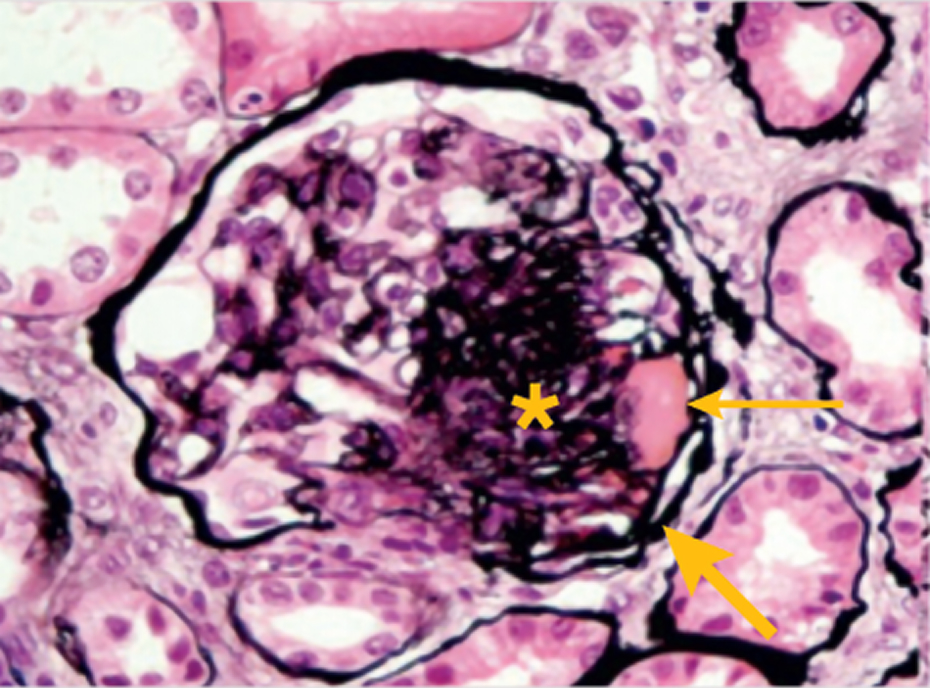
- Significant segmental sclerosis (50% of the glomerular area) with capillary collapse and consolidation (*), hyalinosis (thin arrow) and capsular adhesion (thick arrow). Periodic acid-silver methanamine, haematoxylin and eosin counterstain, 360× magnification
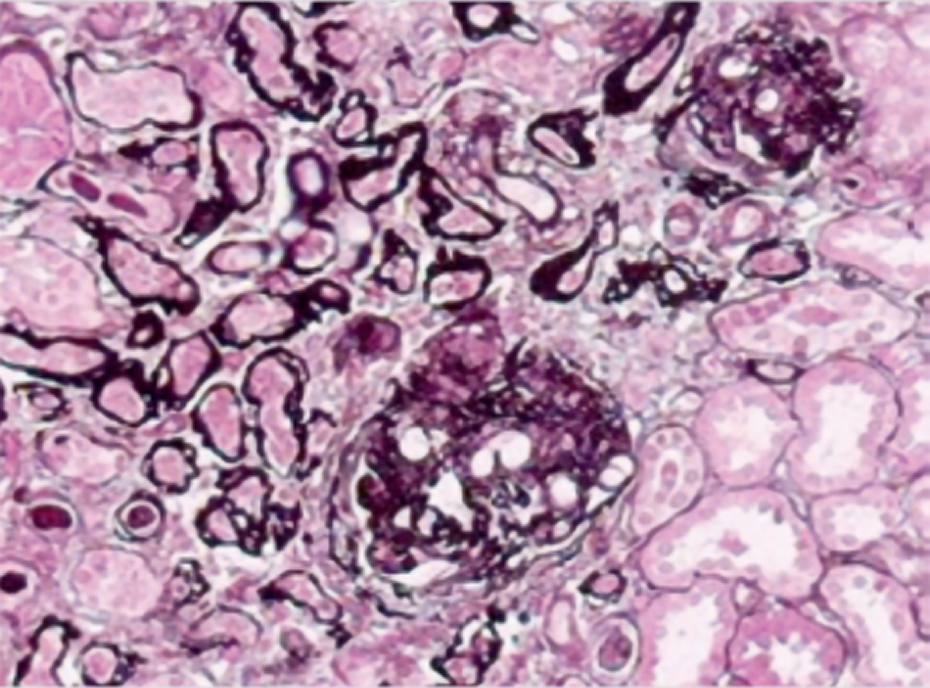
- Advanced glomerulosclerosis or glomerular obsolescence (>75%), with associated tubular atrophy and interstitial fibrosis. Periodic acid-silver methanamine, haematoxylin and eosin counterstain, 180× magnification
Image adapted from Lai KN, et al. 20167


References & footnotes
Abbreviations
GFR, glomerular filtration rate; IgA, Immunoglobulin A; IgA1, Immunoglobulin A-1; IgAN, IgA nephropathy.
References
- Wyatt R, Julian B. IgA Nephropathy. N Engl J Med. 2013; 368:2402–14.
- Barratt J, Feehally J. IgA Nephropathy. J Am Soc Nephrol. 2005; 16:2088–97.
- Boyd JK, et al. An update on the pathogenesis and treatment of IgA nephropathy. Kidney Int. 2012; 81:833–43.
- Aucella F, et al. Proteinuria in the prognosis of IgA nephropathy. Minerva Urol Nefrol. 2009; 61:235–48.
- Remuzzi G, Bertani T. Pathophysiology of Progressive Nephropathies. N Engl J Med. 1998; 339:1448–56.
- Suzuki H, et al. The Pathophysiology of IgA Nephropathy. J Am Soc Nephrol. 2011; 22:1975–1803.
- Lai KN, et al. IgA nephropathy. Nat Rev Dis Primers. 2016; 2:16001.
HQ-SPT-2500012 | Date of preparation: February 2025
This website is educational, non-promotional and intended for healthcare professionals in Europe, Australia and New Zealand. It is not intended for healthcare professionals within the United Kingdom or United States. For more information contact medinfo@viforpharma.com.
IgAN explained
MECHANISM OF DISEASE
IgA nephropathy (IgAN) is characterized by glomerular deposition of immune complexes containing galactose-deficient IgA1 that lead to kidney damage1–5
There are 4 processes or ‘Hits’ involved in the pathogenesis of IgAN:6,7
Image adapted from Suzuki H, et al. 20116
This formation of pathogenic IgA1-containing immune complexes triggers:1–3
Different stages of pathology in IgA nephropathy7
- IgAN at an early stage, with minimal mesangial expansion and preserved glomerular capillary tufts (that is, a network of capillaries) architecture. Periodic acid-silver methanamine, haematoxylin and eosin counterstain, 360× magnification
- Small segmental sclerosis (25%) with capillary collapse (thin arrow) and capsular adhesion (thick arrow). Periodic acid-silver methanamine, haematoxylin and eosin counterstain, 360× magnification
- Significant segmental sclerosis (50% of the glomerular area) with capillary collapse and consolidation (*), hyalinosis (thin arrow) and capsular adhesion (thick arrow). Periodic acid-silver methanamine, haematoxylin and eosin counterstain, 360× magnification
- Advanced glomerulosclerosis or glomerular obsolescence (>75%), with associated tubular atrophy and interstitial fibrosis. Periodic acid-silver methanamine, haematoxylin and eosin counterstain, 180× magnification
Image adapted from Lai KN, et al. 20167
References & footnotes
Abbreviations
GFR, glomerular filtration rate; IgA, Immunoglobulin A; IgA1, Immunoglobulin A-1; IgAN, IgA nephropathy.
References
- Wyatt R, Julian B. IgA Nephropathy. N Engl J Med. 2013; 368:2402–14.
- Barratt J, Feehally J. IgA Nephropathy. J Am Soc Nephrol. 2005; 16:2088–97.
- Boyd JK, et al. An update on the pathogenesis and treatment of IgA nephropathy. Kidney Int. 2012; 81:833–43.
- Aucella F, et al. Proteinuria in the prognosis of IgA nephropathy. Minerva Urol Nefrol. 2009; 61:235–48.
- Remuzzi G, Bertani T. Pathophysiology of Progressive Nephropathies. N Engl J Med. 1998; 339:1448–56.
- Suzuki H, et al. The Pathophysiology of IgA Nephropathy. J Am Soc Nephrol. 2011; 22:1975–1803.
- Lai KN, et al. IgA nephropathy. Nat Rev Dis Primers. 2016; 2:16001.
HQ-SPT-2500012 | Date of preparation: February 2025
This website is educational, non-promotional and intended for healthcare professionals in Europe, Australia and New Zealand. It is not intended for healthcare professionals within the United Kingdom or United States. For more information contact medinfo@viforpharma.com.
IgAN explained
EPIDEMIOLOGY
IgA nephropathy (IgAN) is the most prevalent type of primary glomerulonephritis worldwide1–3
Global distribution of patients with IgAN in some key regions worldwide4
IgAN prevalence* shown as the percentage of biopsy-proven primary glomerulonephritis4
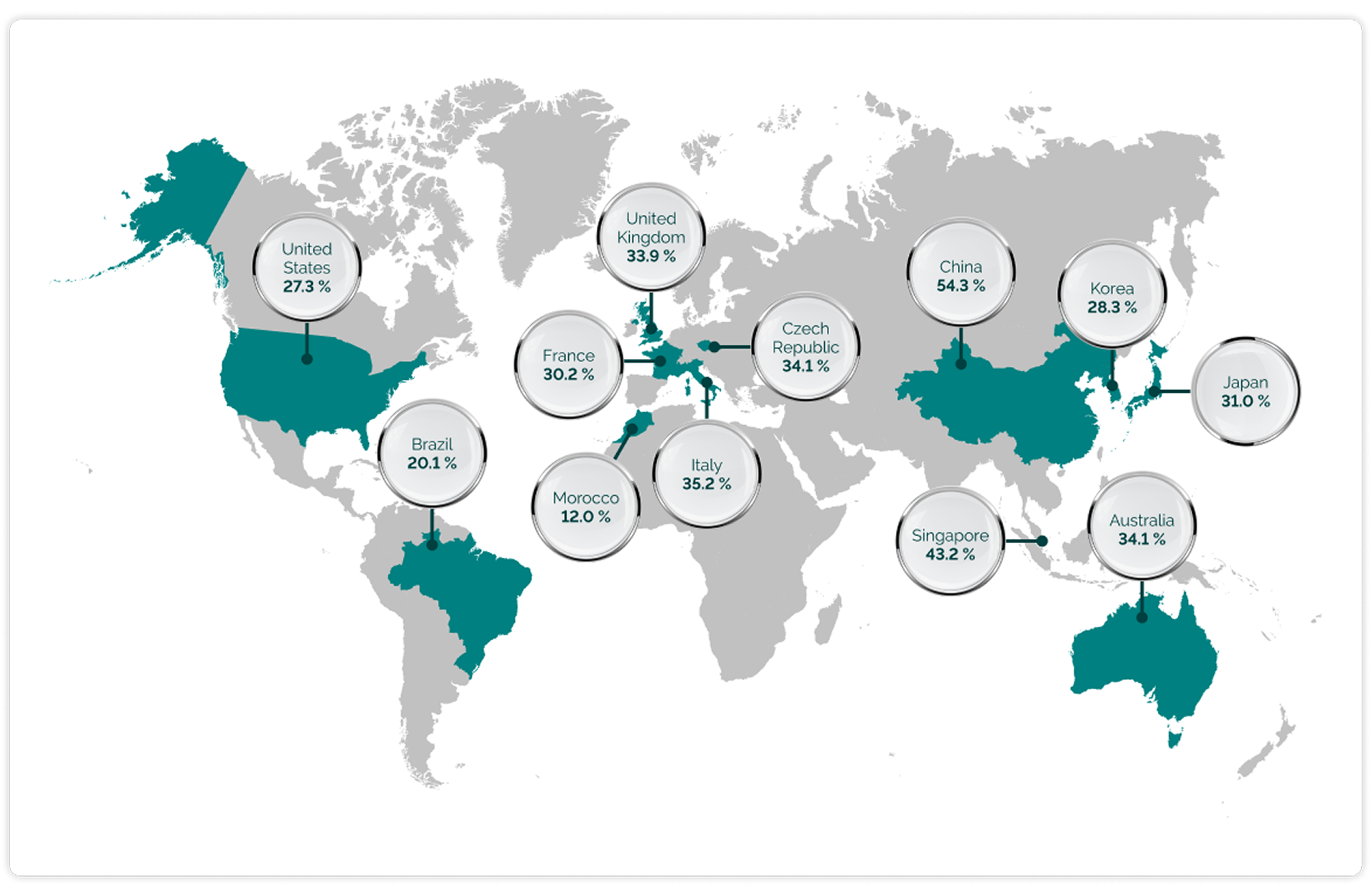
Image adapted from Lai KN, et al. 2016
IgAN affects:2,5

2.5 per 100,000 people worldwide on average†

People of all ages and ethnicities, although more common in men and young adults

Young adults who are otherwise healthy and often asymptomatic
While a rare disease, IgAN occurs in a variety of people worldwide.

References & footnotes
Footnotes
*Exact prevalence may vary due to country-specific policies for healthcare and biopsy requirements
†Average incidence of IgAN based on 40 studies of incidence of primary glomerulonephritis from Europe, North and South America, Canada, Australia and the Middle East published between 1980–20102
Abbreviations
IgAN, IgA nephropathy; KDIGO, Kidney Disease: Improving Global Outcomes.
References
- Kidney Disease: Improving Global Outcomes (KDIGO) Glomerular Diseases Work Group. KDIGO 2021 Clinical Practice Guideline for the Management of Glomerular Diseases. Kidney Int. 2021; 100:S1−S276.
- McGrogan A, et al. The incidence of primary glomerulonephritis worldwide: a systematic review of the literature. Nephrol Dial Transplant. 2011; 26:414–30.
- Rodrigues JC, et al. CJASN Glomerular Disease Education Series:IgA Nephropathy. Clin J Am Soc Nephrol. 2017; 12:677–86.
- Lai KN, et al. IgA nephropathy. Nat Rev Dis Primers. 2016; 2:16001.
- Yeo SC, et al. Is immunoglobulin A nephropathy different in different ethnic populations? Nephrology. 2019; 24:885–95.
HQ-SPT-2500011 | Date of preparation: February 2025
This website is educational, non-promotional and intended for healthcare professionals in Europe, Australia and New Zealand. It is not intended for healthcare professionals within the United Kingdom or United States. For more information contact medinfo@viforpharma.com.
IgAN explained
DISEASE PROGRESSION
IgA nephropathy (IgAN) has a variable but progressive clinical course, which can negatively impact patients’ quality of life (QoL)1–5
The clinical presentation of IgAN and the risk and rate of progression to end-stage kidney disease (ESKD) is highly variable between patients1–4
Patients may present with:1–5
High proteinuria

Macrohematuria

Renal insufficiency

Hypertension

Acute kidney injury

Edema
Kidney biopsy is essential for confirmation of diagnosis in IgAN and to guide subsequent clinical care decisions2,6
Similarly, the rate at which patients progress through different stages of IgAN to kidney failure can be highly variable7–11

Up to 53% of patients
progress to ESKD within 20 years of an IgAN diagnosis7–9*
In a population-based cohort study (N=3622), patients with IgAN were found to have a:10

53% increased risk of mortality compared to matched controls

6-year reduction in life expectancy compared to matched controls
Variation in clinical course and outcomes leads to delayed diagnosis in patients presenting with established kidney disease.2,11
Patients’ health-related QoL is affected at all stages of IgAN2,9
Diagnosis
Patients may be asymptomatic or may experience:2,9
- Fatigue
- Frequent episodes of hematuria
- Hypertension
- Foamy urine
- Edema

Mid-stage
The impact of receiving an IgAN diagnosis and the variable progression towards ESKD may leave patients feeling:2,9,12
- Depressed
- Anxious
- Afraid due to the uncertainty and complications of therapy
- Emotionally distressed from lack of counseling
Late-stage (ESKD)
Progression to kidney failure may cause mental and physical symptoms such as:2,9
- Depressed
- Sexual dysfunction
- Fatigue
- Weakness
- Insomnia
- Anorexia
- Dysgeusia
- Nausea
- Muscle cramps
- Pruritus
- Bone pain and fractures
- Cognitive dysfunction
- Visual disturbances
- Neuropathy
Patients at all stages of IgAN experience symptoms that lower their QoL
References & footnotes
Footnotes
*Studies used were a population-based cohort study of patients in Southern China with IgAN (N=619), a population-based cohort study of patients from the Southeastern United States (N=251) and a systemic literature review on 123 epidemiologic studies7–9
Abbreviations
ESKD, end-stage kidney disease; IgA, immunoglobulin A; IgAN, IgA nephropathy; QoL, quality of life.
References
- Wyatt R, Julian B. IgA Nephropathy. N Engl J Med. 2013; 368:2402–z.
- Lai KN, et al. IgA nephropathy. Nat Rev Dis Primers. 2016; 2:16001.
- Penfold RS, et al. Primary IgA nephropathy: current challenges and future prospects. Int J Nephrol Renovasc Dis. 2018; 11:137–48.
- Rodrigues JC, et al. CJASN Glomerular Disease Education Series:IgA Nephropathy. Clin J Am Soc Nephrol. 2017; 12:677–86.
- Yeo SC, et al. Is immunoglobulin A nephropathy different in different ethnic populations? Nephrology. 2019; 24:885–95.
- Kidney Disease: Improving Global Outcomes (KDIGO) Glomerular Diseases Work Group. KDIGO 2021 Clinical Practice Guideline for the Management of Glomerular Diseases. Kidney Int. 2021; 100:S1−S276.
- Xie J, et al. Predicting Progression of IgA Nephropathy: New Clinical Progression Risk Score. PLoS One. 2012; 7:e38904.
- Hastings MC, et al. Life Expectancy for Patients From the Southeastern United States With IgA Nephropathy. Kidney Int Rep. 2018; 3:99–104.
- Kwon CS, et al. A Systematic Literature Review of the Epidemiology, Health-Related Quality of Life Impact, and Economic Burden of Immunoglobulin A Nephropathy. J Health Econ Outcomes Res. 2021; 8:36−45.
- Jarrick S, et al. Mortality in IgA Nephropathy: A Nationwide Population-Based Cohort Study. J Am Soc Nephrol. 2019; 30:866–76
- Lafayette RA, Kelepouris A. Immunoglobulin A Nephropathy: Advances in Understanding of Pathogenesis and Treatment. Am J Nephrol. 2018; 47 (sup1):S43–S52.
- Cheung A, et al. Executive summary of the KDIGO 2021 Clinical Practice Guideline for the Management of Blood Pressure in Chronic Kidney Disease. Kid Int. 2021; 99:559–69.
HQ-SPT-2500013 | Date of preparation: February 2025
This website is educational, non-promotional and intended for healthcare professionals in Europe, Australia and New Zealand. It is not intended for healthcare professionals within the United Kingdom or United States. For more information contact medinfo@viforpharma.com.
IgAN explained
RISK PREDICTION
Identification of patients at a high risk of disease progression earlier may improve outcomes1,2
Sustained proteinuria of >1g/day is the strongest modifiable predictor of a high risk of kidney disease progression1–5
Reducing proteinuria:2–4

Slows disease progression

Extends average time to kidney failure
Patients with proteinuria >1g/day are at a high risk for progression to end-stage kidney disease (ESKD)2
The International Risk Prediction Tool for IgAN can help identify patients at high risk of disease progression6–8
International Risk Prediction Tool for IgAN can be used:7,8


The International Risk Prediction Tool for IgAN is recommended by the most recent KDIGO guidelines and uses a variety of clinical parameters to predict disease progression7,8
The MEST-C (mesangial and endocapillary hypercellularity, segmental sclerosis, interstitial fibrosis/tubular atrophy, and crescents) score is a histopathological scoring system for patients with IgAN. The MEST-C score should be determined at the time of biopsy and is an important practice point for the diagnosis of IgAN6
References & footnotes
Abbreviations
ESKD, end-stage kidney disease; IgA, immunoglobulin A; IgAN, IgA nephropathy; KDIGO, Kidney Disease: Improving Global Outcomes; MEST, mesangial and endocapillary hypercellularity, segmental sclerosis and interstitial fibrosis/tubular atrophy; MEST-C, Oxford classification MEST-C.
References
- Lai KN, et al. IgA nephropathy. Nat Rev Dis Primers. 2016; 2:16001.
- Reich HN, et al. Remission of Proteinuria Improves Prognosis in IgA Nephropathy. J Am Soc Nephrol. 2007; 18:3177–83.
- Inker LA, et al. Early change in urine protein as surrogate endpoint in studies of IgA Nephropathy: An individual patient meta-analysis. Am J Kidney Dis. 2016; 68:392–401.
- Thompson A, et al. Proteinuria Reduction as a Surrogate End Point in Trials of IgA Nephropathy. Clin J Am Soc Nephrol. 2019; 14:469–481.
- Le WB, et al. Long-term renal survival and related risk factors in patients with IgA nephropathy: results from a cohort of 1155 cases in a Chinese adult population. Nephrol Dial Transplant. 2012; 27:1479–85.
- Kidney Disease: Improving Global Outcomes (KDIGO) Glomerular Diseases Work Group. KDIGO 2021 Clinical Practice Guideline for the Management of Glomerular Diseases. Kidney Int. 2021; 100:S1−S276.
- Barbour SJ, et al. Evaluating a New International Risk-Prediction Tool in IgA Nephropathy. JAMA Intern Med. 2019; 179:942–52.
- Barbour SJ, et al. Application of the International IgA Nephropathy Prediction Tool one or two years post-biopsy. Kid Int. 2022; 102:160–72.
- Haaskjold, YL, et al. Validation of two IgA nephropathy risk-prediction tools using a cohort with a long follow-up. Neph Dial Trans. 2022;0:1–9.
HQ-SPT-2500014 | Date of preparation: February 2025
This website is educational, non-promotional and intended for healthcare professionals in Europe, Australia and New Zealand. It is not intended for healthcare professionals within the United Kingdom or United States. For more information contact medinfo@viforpharma.com.
IgAN explained
CURRENT TREATMENT
The KDIGO guidelines outline the current therapeutic targets for patients with IgA nephropathy (IgAN), but the majority of patients do not reach those targets1
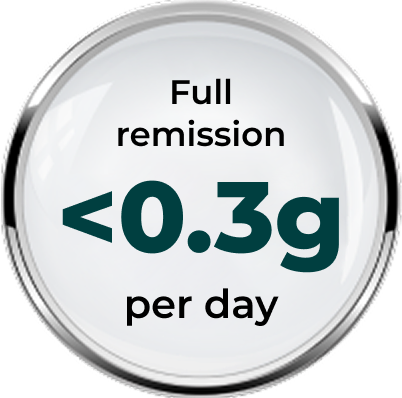
In IgAN, the KDIGO guidelines define proteinuria targets:1

The guideline recommends initial treatment with long-term renin-angiotensin-aldosterone (RAA) system inhibition, angiotensin converting enzyme inhibitor (ACEi) or angiotensin II-receptor blocker (ARB). If the initial treatment is unsuccessful and the patient remains at a high risk of progression, treatment with glucocorticoids may be considered.1
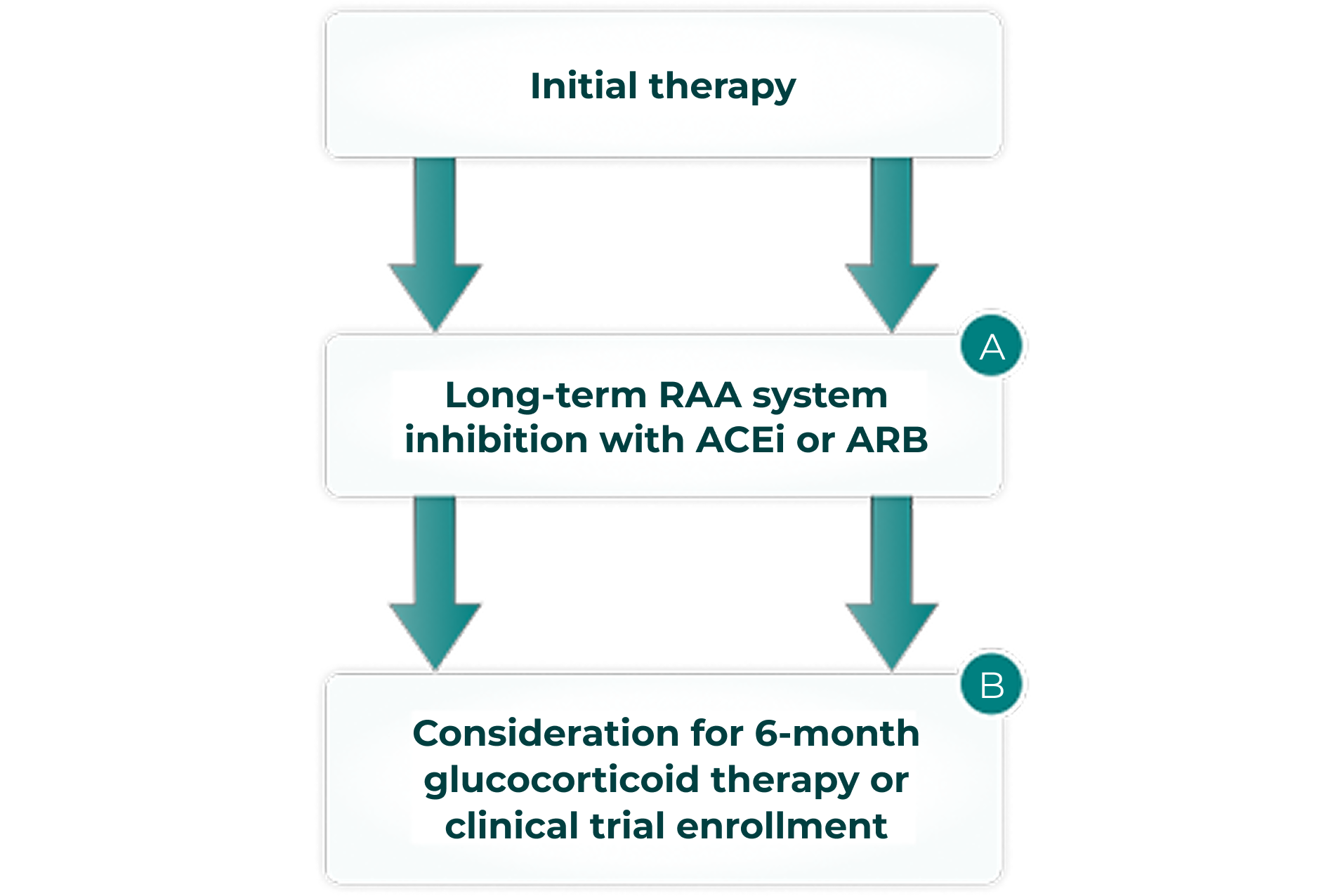
A: Long-term RAA system inhibition with ACEi or ARB
However, more than half of patients remain above target proteinuria level of >0.75–1g/d and are at high risk of disease progression1–4
B: Consideration for 6 month glucocorticoid therapy or clinical trial enrollment
Immunosuppressive drugs should be considered only in patients with IgAN who remain at high risk of progression despite maximal supportive care. In patients where immunosuppression is being considered, a detailed discussion of the risks and benefits of each drug should be undertaken with the patient recognizing that adverse treatment effects are more likely in patients with a reduced eGFR1

63% of patients (N=96) DO NOT reach the KDIGO recommended target with treatment4*
There is a high clinical unmet need for disease course modifying treatments that preserve kidney function for patients with IgAN5–8
In glomerular disease, target proteinuria and aim for remission
References & footnotes
Footnotes
*In 96 patients with IgAN receiving supportive therapy with ACEi/ARBs, 35 (36.5%) achieved either PR or CR at 3 months. CR is defined as proteinuria <0.5g/day, PR was defined as proteinuria <1g/day with at least a 50% decline from baseline4
Abbreviations
ACEi, angiotensin converting enzyme inhibitor; ACE, angiotensin converting enzyme; ARB, angiotensin II-receptor blocker; CR, complete response; eGFR, estimated glomerular filtration rate; IgA, immunoglobulin A; IgAN, IgA nephropathy; KDIGO, Kidney Disease: Improving Global Outcomes; PR, partial response; RAA, renin-angiotensin-aldosterone.
References
- Kidney Disease: Improving Global Outcomes (KDIGO) Glomerular Diseases Work Group. KDIGO 2021 Clinical Practice Guideline for the Management of Glomerular Diseases. Kidney Int. 2021; 100:S1−S276.
- Coppo R, et al. IgACE: A Placebo-Controlled, Randomized Trial of Angiotensin-Converting Enzyme Inhibitors in Children and Young People with IgA Nephropathy and Moderate Proteinuria. J Am Soc Nephrol. 2007; 18:1880–8.
- Woo KT, et al. ACEI/ATRA therapy decreases proteinuria by improving glomerular permselectivity in IgA nephritis. Kidney Int. 2000; 58:2485–91.
- Bagchi S, et al. Supportive Managment of IgA Nephropathy With Renin-Angiotensin Blockade, the AIIMS Primary IgA Nephropathy Cohort (APPROACH) Study. Kidney Int Rep. 2021;6(6):1661-8.
- Lv J, et al. Effect of Oral Methylprednisolone on Clinical Outcomes in Patients With IgA Nephropathy. JAMA. 2017; 318:432–42.
- Lv J, et al. Effect of Oral Methylprednisolone on Decline in Kidney Function or Kidney Failure in Patients With IgA Nephropathy. JAMA. 2022; 327:1888–98.
- Wheeler D, et al. A pre-specified analysis of the DAPA-CKD trial demonstrates the effects of dapagliflozin on major adverse kidney events in patients with IgA nephropathy. Kidney Int. 2021; 100:215–24.
- The EMPA-KIDNEY Collaborative Group. Design, recruitment and baseline characteristics of the EMPA-KIDNEY trial. Nephrol Dial Transplant. 2022; 37: 1317–29.
HQ-SPT-2500015 | Date of preparation: February 2025
This website is educational, non-promotional and intended for healthcare professionals in Europe, Australia and New Zealand. It is not intended for healthcare professionals within the United Kingdom or United States. For more information contact medinfo@viforpharma.com.
The dual pathway
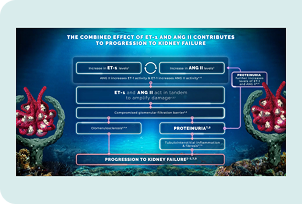
Endothelin-1 (ET-1) and angiotensin II (ANG II) both play fundamental roles in the pathophysiology of kidney diseases such as IgAN1–4
They act in tandem via their receptors ETAR and AT1R to amplify underlying disease damage and compromise the glomerular filtration barrier, leading to a progressive loss of kidney function1–11
The impact of ET-1 and ANG II on pathophysiology and disease progression of IgAN
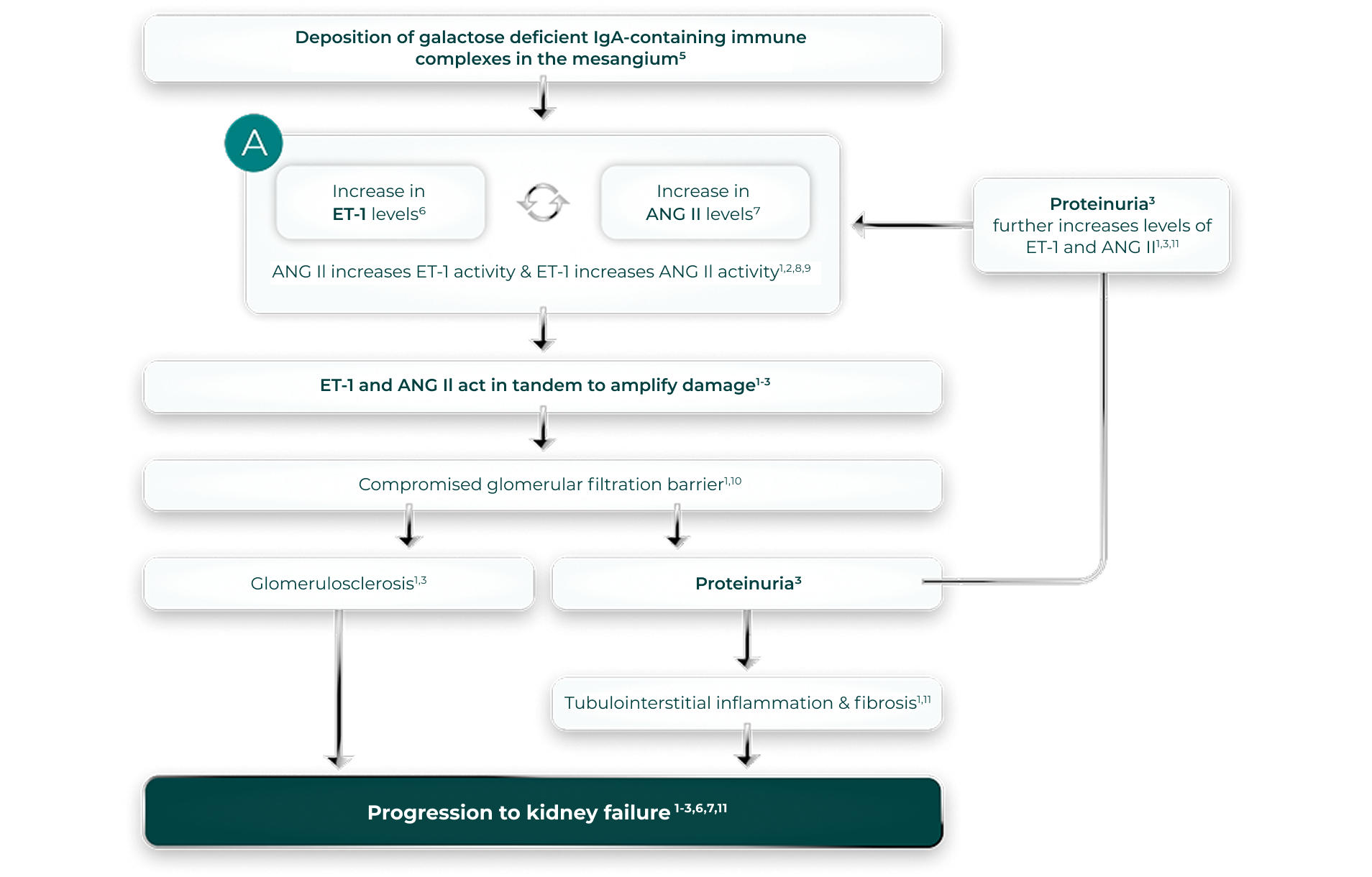
The combined effect of ET-1 and ANG II increases the rate of progression to kidney failure1-4,6-11
A: ANG II increases ET-1 activity & ET-1 increases ANG II activity
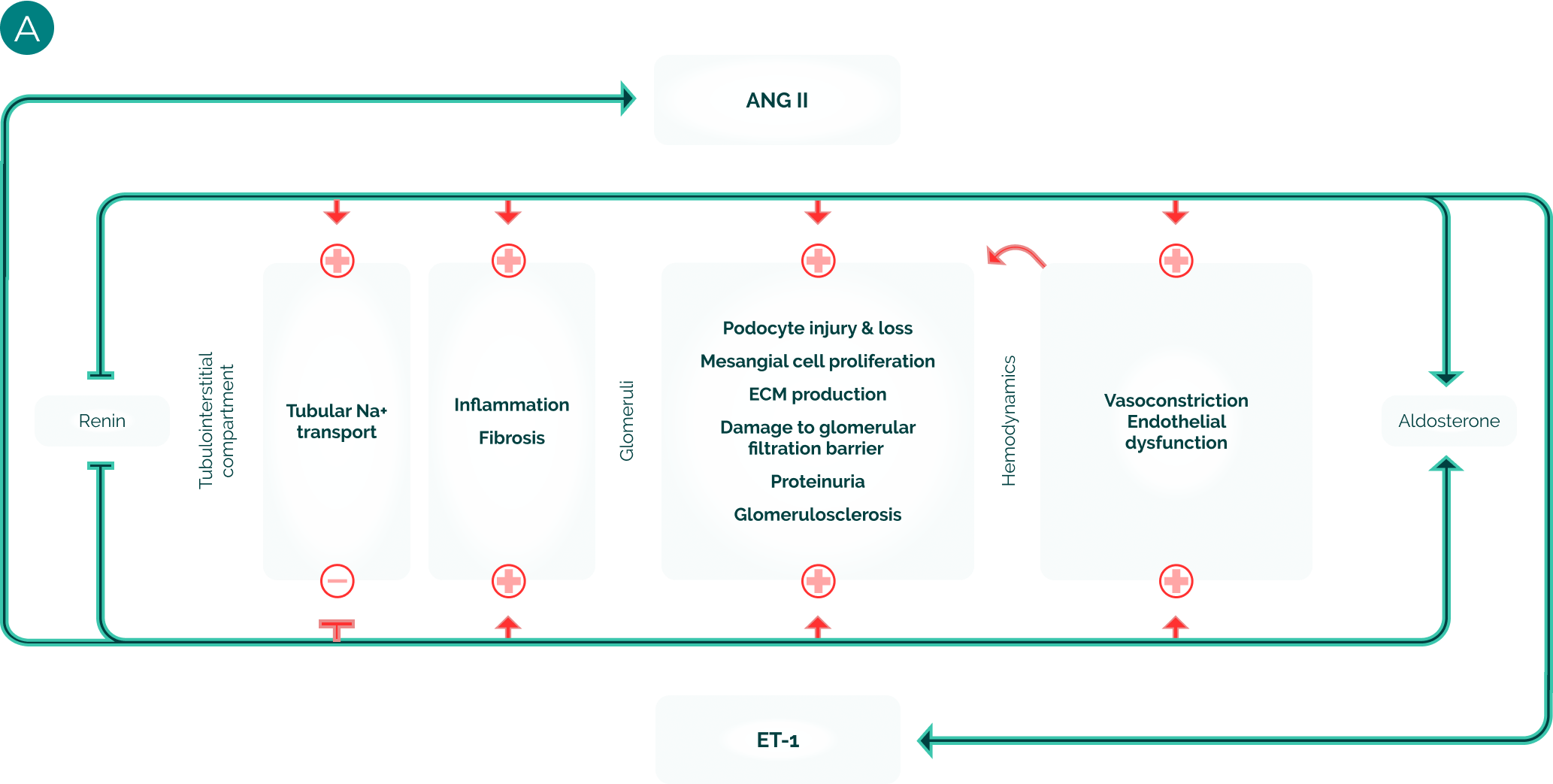
Adapted from Komers R, Plotkin H, 20161
References & footnotes
Abbreviations
ANG II, angiotensin II; AT1R, angiotensin II receptor type 1; ECM, extracellular matrix; ET-1, endothelin-1; ETAR, endothelin A receptor; IgA, immunoglobulin A; IgAN, IgA nephropathy.
References
- Komers R, Plotkin H. Dual inhibition of renin-angiotensin-aldosterone system and endothelin-1 in treatment of chronic kidney disease. Am J Physiol Regul Integr Comp Physiol. 2016;310:R877–84.
- Kohan DE, Barton M. Endothelin and Endothelin Antagonists in Chronic Kidney Disease. Kidney Int. 2014;86:896-904.
- Raina R, et al. The Role of Endothelin and Endothelin Antagonists in Chronic Kidney Disease. Kidney Dis. 2020;6:22–34.
- Siragy H, Carey R. Role of the Intrarenal Renin-Angiotensin- Aldosterone System in Chronic Kidney Disease. Am J Nephrol. 2010;31:541–50.
- Lai KN, et al. IgA Nephropathy. Nat Rev Dis Primers. 2016;2:16001.
- Lehrke I, et al. Renal Endothelin-1 and Endothelin Receptor Type B Expression in Glomerular Diseases with Proteinuria. J Am Soc Nephrol. 2001;12(11):2321–9.
- Chan LY, et al. Tubular Expression of Angiotensin II Receptors and Their Regulation in IgA Nephropathy. J Am Soc Nephrol. 2005;16(8):2306–17.
- Benigni A, et al. Endothelin-targeted new treatments for proteinuric and inflammatory glomerular diseases: focus on the added value to anti-renin-angiotensin system inhibition. Pediatr Nephrol. 2021;36(4):763–75.
- Lin YJ, et al. Angiotensin II enhances endothelin-1-induced vasoconstriction through upregulating endothelin type A receptor. Biochem Biophy Res Commun. 2014;451:2639.
- Kohan DE, et al. Physiology of endothelin and the kidney. Compr Physiol. 2011;1(2):883–919.
- Sharma S, Smyth B. From Proteinuria to Fibrosis: An Update on Pathophysiology and Treatment Options. Kidney Blood Press Res. 2021;46(4):411–20.
HQ-SPT-2500016 | Date of preparation: February 2025
This website is educational, non-promotional and intended for healthcare professionals in Europe, Australia and New Zealand. It is not intended for healthcare professionals within the United Kingdom or United States. For more information contact medinfo@viforpharma.com.
The dual pathway
EXPLORE OUR RANGE OF EDUCATIONAL & PRACTICAL RESOURCES FOCUSED ON IgA NEPHROPATHY





References & footnotes
Abbreviations
ANG II, angiotensin II; ET-1, endothelin-1; IgA, immunoglobulin A; IgAN, IgA nephropathy.
MED-HQ-SPT-2500001 | Date of preparation: February 2025
This website is educational, non-promotional and intended for healthcare professionals in Europe, Australia and New Zealand. It is not intended for healthcare professionals within the United Kingdom or United States. For more information contact medinfo@viforpharma.com.